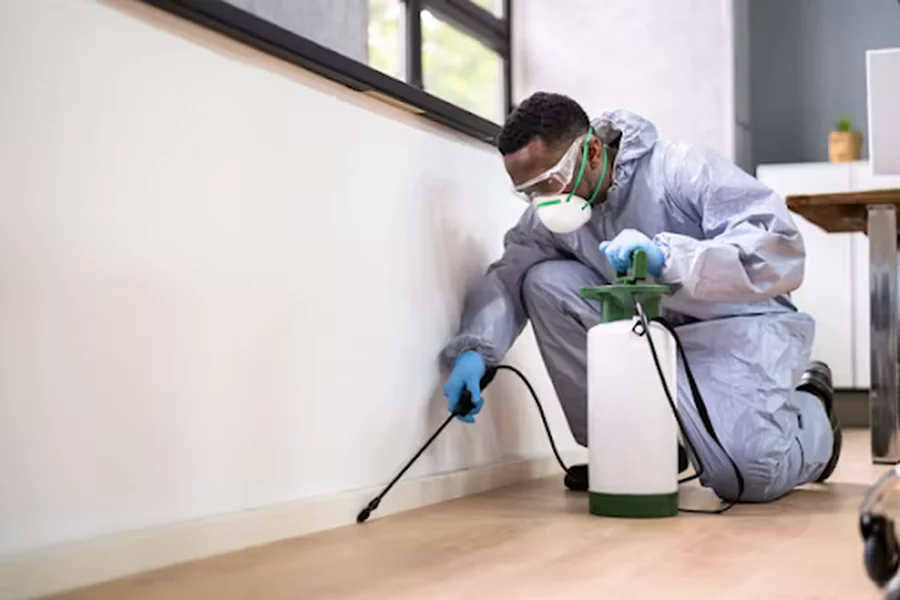
Pest control is much easier when it becomes part of regular property maintenance rather than something you think about only after insects or rodents appear. While a couple of ants in the kitchen, sounds from the attic, or mysterious droppings in the garage might not seem like much to worry about, they may actually indicate an infestation elsewhere.
Table Of Content
However, a good way to handle pests is actually quite easy. It requires knowledge of where pests will enter, what attracts them, and which areas require constant attention.
It can range from door checks and foundation inspections to moisture management and proper food storage, so pests have fewer chances to make themselves comfortable in your home.
Below is how you can build a practical pest control routine for your property.
1. Inspect Your Property In A Regular Schedule
An effective pest management program should start with routine inspections. Rather than waiting until signs of an infestation become obvious, homeowners should spend time checking the property every few weeks.
Kitchens, garages, basements, attics, crawl spaces, utility rooms, storage areas, and other less frequently used spaces deserve particular attention. Look for droppings, nesting material, damaged packaging, shed skins, webs, gnaw marks, and unusual odors.
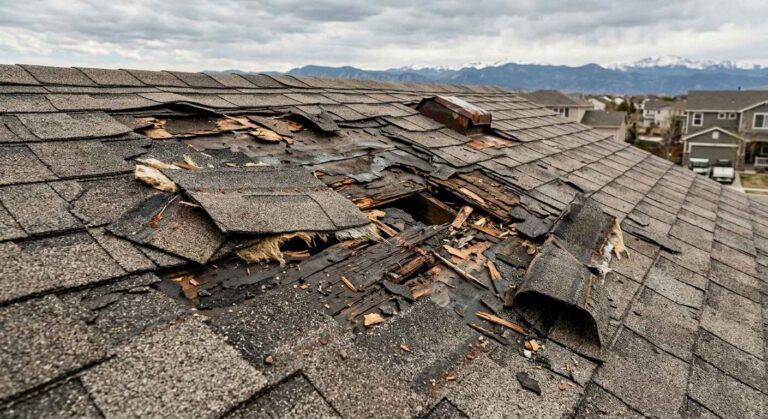
In addition, exterior walls, foundations, windows, and doors should be checked for possible entry points, while sheds, decks, woodpiles, and garbage storage areas should also be included.
In Winchester, changing weather conditions and seasonal pest activity can make regular property checks especially useful throughout the year. Petti Pest Control of Winchester, VA can help identify subtle warning signs and vulnerable areas that may otherwise go unnoticed.
Overall, consistent inspections make it easier to recognize unusual changes early and address pest activity before it develops into a larger problem.
2. Remove Easy Sources Of Food And Water
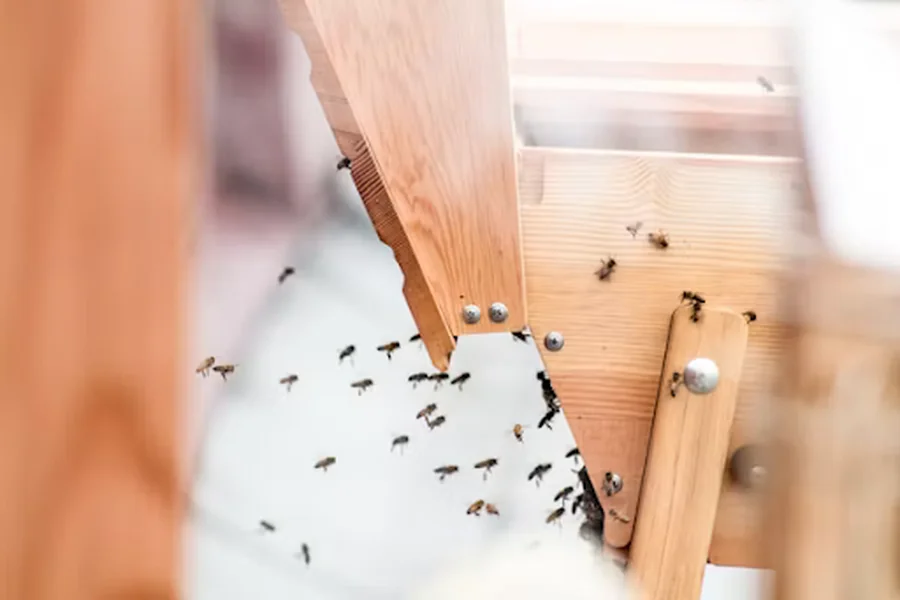
Another major factor that helps pests stay on the property is food and water. As such, it is important to ensure that proper sanitation measures are part of the normal process. Make sure that all food items in the pantry are stored in tightly sealed packages.
Spills should also be cleaned up immediately. Dirty dishes should not be left overnight. Pet food should be stored in a sealed container when not in use. Household garbage should also be emptied regularly.
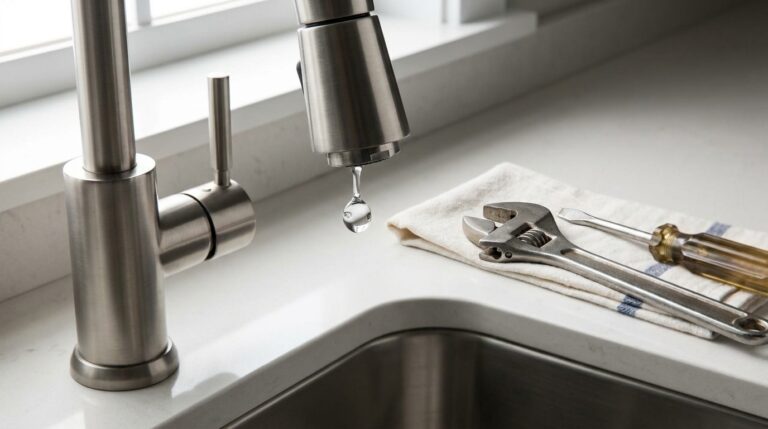
Outside garbage bins should be sealed and placed far away from entry points whenever possible. Water is just as important and needs to be managed, since leaking pipes, dripping taps, blocked gutters, and standing water can create potential breeding grounds for pests.
3. Seal Openings Before Pests Find Them
No matter how effective the sanitation efforts are, they will not stop pests from entering through any accessible point. This is why exclusion should be another item on the maintenance activities list. Check for any possible leaks at door weatherstripping, window screens, vent screens, and points where utilities and plumbing enter the property.
All cracks along the siding or foundation need to be checked as well and sealed properly, using the right material for each area. Rodents can exploit very tiny openings, and insects can enter even through the tiniest gaps.
Also, trim any trees, shrubs, and other plants that touch the building, since they can provide an easy entry point for pests to reach windows, roofs, and siding. Rather than focus exclusively on pest elimination, exclusion provides a good preventive method.
4. Adjust Your Routine With The Seasons
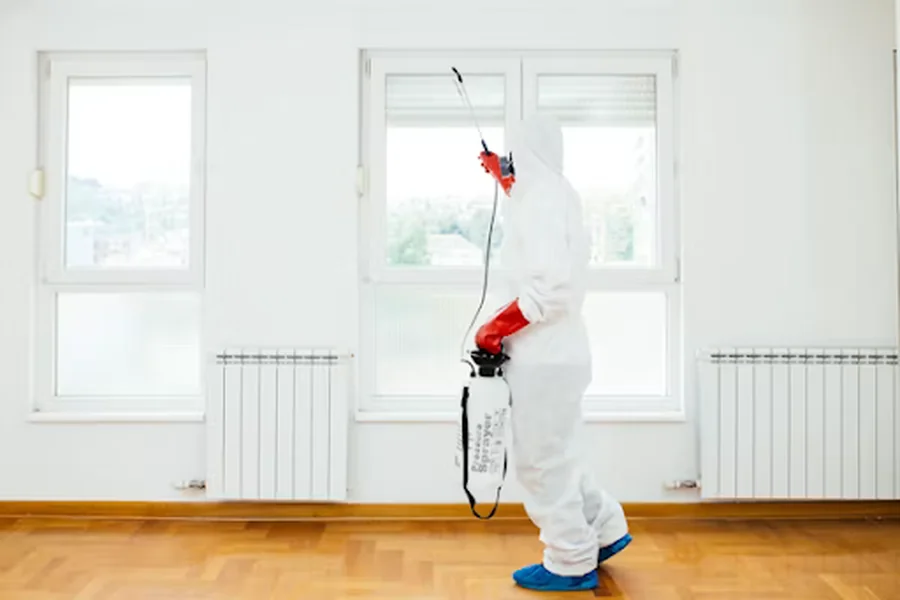
Pests do not operate in the same way year-round. Hence, the best plan of action would need to adapt to changing outdoor climatic conditions.
In summer, look out for ants, mosquitoes, wasps, and other pests that are present actively. Clear away any standing water in containers, clean gutters and screens, and open windows often.
At the same time, as cool weather sets in, take extra care with garages, attics, crawl spaces, and exterior gaps where rodents could seek refuge. In locations like Winchester, seasonal changes determine which pests become active around homes. The rainy season can make insect infestations more active, whereas cold weather can attract more pests indoors.
Planning for such problems will be more beneficial compared to dealing with individual issues as they arise.
5. Respond Quickly To Early Warning Signs
Just because you spot one or two pests doesn’t automatically mean there is an infestation problem. However, multiple sightings should not be dismissed. If you start noticing the same pests in the same area again and again, or if ant droppings appear in the same place despite cleaning, or if there are scratching sounds coming from within the walls, try to identify the source of the problem instead of continuously spraying whatever you can see.
Similarly, wood damage, mud tubes, torn food packaging, and strange odors are all red flags that require further investigation. Make a note of the time and place where you have seen the pests.
When using household pest control products, follow the instructions and ensure the product is suitable for your specific pest problem. The most important thing is to realize when it is time to take things to the next level.

6. Keep Records And Follow Up After Treatment
A pest management regimen can be improved by documenting specific details. Record the times at which pests come around, the area of infestation, and what you do to address them.
For instance, you may find out that ants consistently infest the house after heavy rains or that rodents tend to show up at specific months of the year. Such details will help you prepare early next year.
Additionally, make sure you always follow up after addressing any pest situation. Inspect the affected areas again for any signs of droppings, insects, nesting materials, and other things. Ensure that the recommended repairs, sanitation efforts, and moisture correction are completed. Just because you no longer see any pests does not mean the conditions that attract them have been addressed.
Conclusion
Putting together an effective pest management strategy does not necessarily mean you have to be on the lookout for every insect in your home’s vicinity all the time. It entails establishing routines that make your property less appealing to pests.
Inspection enables you to spot any problem, whereas sanitation denies pests a dependable source of sustenance. You may seal off any potential openings, adjusting as needed for the season. Also, prompt reaction to potential warnings may prevent a problem from recurring.