Key Takeaways
- Document every recurring problem, repair visit, and day the SUV is out of service.
- Keep repair orders, invoices, photos, videos, and communications organized.
- Check the VIN for open recalls and follow safety guidance.
- Review warranty coverage and ask for clear explanations of repairs.
- Stop driving if a problem creates a serious safety risk.
- If issues continue, consider escalating the matter and reviewing applicable consumer-protection options.
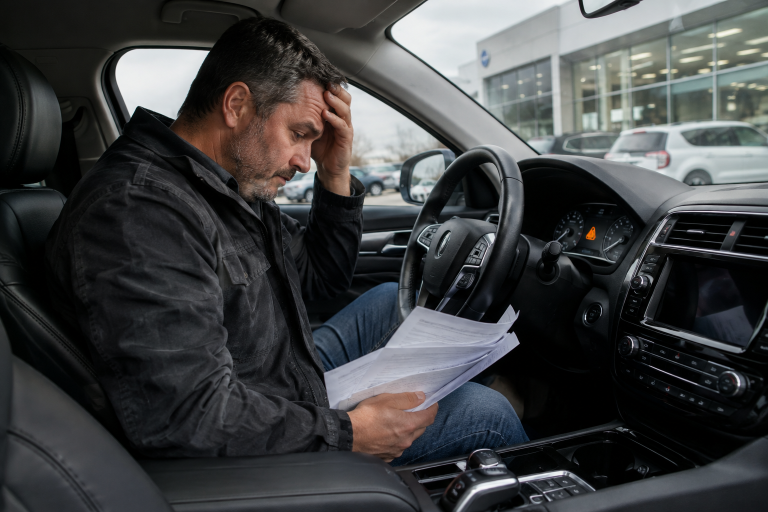
Buying a new SUV should bring confidence, convenience, and dependable transportation. When the vehicle keeps returning to the dealership for the same warning light, mechanical concern, electrical issue, or safety-related symptom, the experience can quickly become stressful. Owners of a luxury SUV with recurring unresolved defects may want to understand how a Cadillac Escalade lemon law review could apply to their situation.
Table Of Content
- Key Takeaways
- When A Problem Becomes A Pattern
- The First Steps To Take
- How To Document Each Problem
- What To Record
- Useful Evidence
- Checking Recalls And Safety Complaints
- How To Handle Repeated Dealer Visits
- Before The Appointment
- After The Appointment
- Reviewing Warranty Coverage
- When To Stop Driving The Vehicle
- Repair, Replacement, Or Another Option?
- Common Questions From SUV Owners
- How Many Repair Visits Are Too Many?
- What If The Dealer Cannot Reproduce The Problem?
- Can A Used SUV Have Similar Issues?
- Final Thoughts
The best response is usually organized and prompt. A clear paper trail helps technicians identify a recurring condition, gives the manufacturer a complete history of repair attempts, and allows the owner to make better decisions about repairs, warranty coverage, and potential consumer remedies.
When A Problem Becomes A Pattern
One isolated repair does not necessarily mean a vehicle has a serious defect. New vehicles may need adjustments, software updates, or replacement parts. The concern grows when the same issue recurs after repair attempts, when several problems arise in a short period, or when the SUV spends substantial time at the dealership rather than in the owner’s driveway. Safety also changes the analysis. Problems involving brakes, steering, engine power, fuel, airbags, visibility, or vehicle control deserve more urgent attention than minor cosmetic concerns. It is also important to distinguish between a recall, a warranty repair, a technical service bulletin, and an owner complaint. These terms can be related, but they do not mean the same thing.
The First Steps To Take
- Review the owner’s manual and note the exact wording of any dashboard message.
- Contact the service department before driving further if the issue affects braking, steering, power, fuel, or control of the vehicle.
- Ask for a written repair order before the dealer begins work.
- Record the date, mileage, weather, road conditions, and symptoms.
- Keep invoices, appointment confirmations, text messages, emails, and inspection reports together.
Clear records make it easier for a dealership, manufacturer representative, independent mechanic, or consumer advocate to see the complete history rather than treating each visit as an unrelated event.
How To Document Each Problem
What To Record
Write down what happened in ordinary language. Include warning lights, unusual sounds, burning odors, fluid leaks, vibration, loss of power, shifting concerns, or changes in braking and steering feel. Note the mileage and whether the problem occurred during startup, highway driving, stop-and-go traffic, rain, cold weather, towing, or another specific condition. Also track how long the SUV remained at the dealer, whether the same concern returned, and any practical effects such as towing costs, rental expenses, missed work, or canceled travel. Those details help illustrate the real burden of repeated repair visits.
Useful Evidence
- Photographs of alerts, leaks, or visible damage.
- Short videos of sounds, warning messages, or intermittent behavior.
- Copies of diagnostic printouts and completed repair orders.
- Written notes from passengers who observed the issue.
- A dated timeline listing every service visit in order.
Checking Recalls And Safety Complaints
Owners should check their specific vehicle identification number rather than relying only on general model-year discussions online. The federal vehicle recall lookup tool can identify open safety recalls associated with a particular VIN. Run the search after purchase and again if a new safety concern appears, then save the results with the service records. If an SUV has an open recall, ask the dealer whether the remedy is available and whether the repair has been completed. A recall does not automatically establish that every vehicle has the same problem, but it can provide important context for an owner experiencing a related symptom.
How To Handle Repeated Dealer Visits
Before The Appointment
State the main complaint in one clear sentence, then provide the details. Bring your repair timeline, photos, and videos. If the issue happens only while driving, ask whether a road test can be performed. Most importantly, make sure every concern is listed on the repair order, even if the adviser believes one complaint may explain another.
After The Appointment
Read the completed repair order before leaving. Check whether it identifies a confirmed cause, a repair attempt, a software update, or a finding that the issue could not be duplicated. Ask what testing was performed and whether another visit is recommended. Keep the original paperwork in a dedicated folder or scan it into a secure digital file.
Reviewing Warranty Coverage
Read the warranty booklet or digital warranty information carefully. Focus on time and mileage limits, excluded items, required maintenance, and whether the concern began while coverage was active. The Federal Trade Commission’s guidance on warranty rights and responsibilities can help owners distinguish between covered repairs and customer-paid work. If coverage is denied, request the reason in writing. Keep records showing routine maintenance, especially when the dealer suggests that maintenance history may affect coverage. Do not assume that a verbal explanation fully resolves the issue.
When To Stop Driving The Vehicle
Some symptoms should never be treated as routine inconveniences. Park the SUV and seek professional help if there is smoke, flames, a strong fuel odor, severe fluid loss, unpredictable braking, steering difficulty, sudden loss of power in traffic, or a serious electrical failure. A red warning light should be taken seriously, and a tow may be safer than attempting to drive to the dealership.
Repair, Replacement, Or Another Option?
- Continue with repairs: This can be reasonable when the problem is clearly diagnosed and promptly corrected.
- Request a higher-level review: Ask for assistance from the service manager or the manufacturer’s customer-care department.
- Arrange an independent inspection: A qualified mechanic may identify clues that support further dealer testing.
- Review consumer remedies: State laws and deadlines vary, so owners should investigate their local options before waiting too long.
- Consider another vehicle: Before trading in, understand how unresolved defects may affect value and any remaining claims.
Common Questions From SUV Owners
How Many Repair Visits Are Too Many?
There is no universal number. The seriousness of the defect, repair history, time out of service, safety impact, warranty status, and applicable state rules all matter.
What If The Dealer Cannot Reproduce The Problem?
Ask that the complaint be documented anyway. Videos, exact dates, mileage, and driving conditions may help technicians reproduce an intermittent issue later.
Can A Used SUV Have Similar Issues?
Yes. However, available protections may depend on age, mileage, remaining warranty coverage, purchase terms, and state law.
Final Thoughts
A new SUV should not leave its owner with a growing stack of repair orders and unanswered questions. While an occasional repair does not necessarily indicate a serious defect, repeated problems should be documented and addressed promptly, especially when they affect safety, reliability, or normal use. Acting early, documenting every service visit, keeping track of mileage and days out of service, reviewing warranty terms, and responding carefully to safety concerns can help create a clear record of what happened. Owners should also keep copies of repair orders, invoices, communications, and other relevant records instead of relying on memory alone. If the same problem persists after multiple repair attempts, understanding the available warranty and consumer protection options can help the owner decide what steps to take next. A careful, organized approach can put an owner in a stronger position to pursue a practical solution.