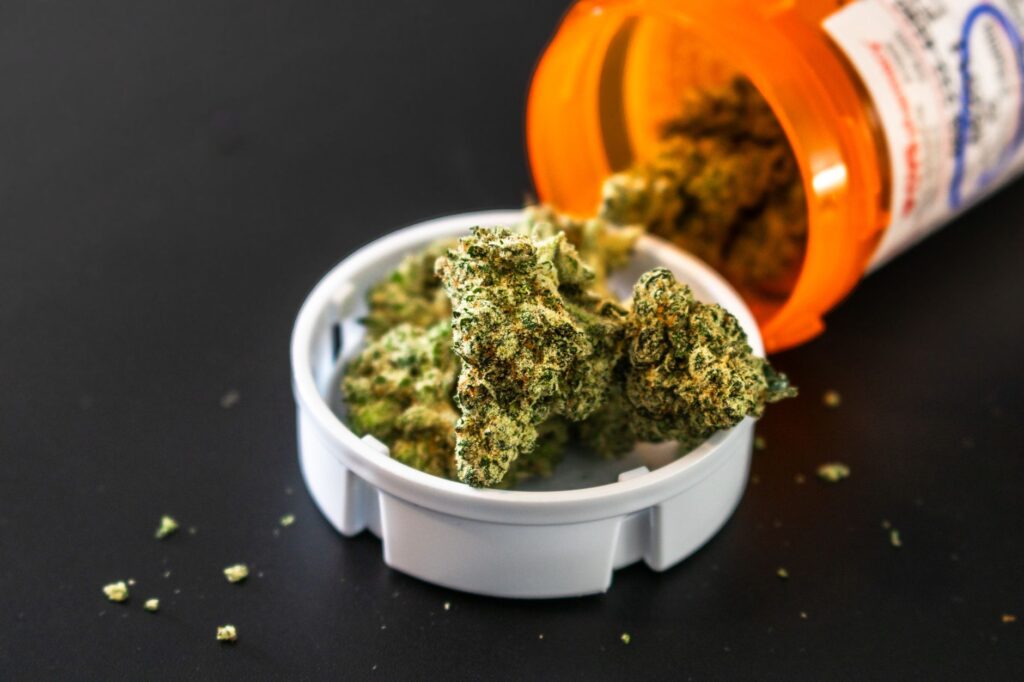
Medical marijuana can raise practical questions long before a patient visits a dispensary. Who qualifies, what does a physician actually approve, and how does the state card fit into treatment? Florida has specific requirements for medical certification, registration, and continued access. Understanding these distinctions can help patients make informed decisions without relying on advertising or someone else’s experience.
Table Of Content
- Eligibility Requires an Individual Assessment
- Medical Records Make Appointments More Useful
- Online Applications Have Important Limits
- Certification and the State Card Serve Different Purposes
- Costs Extend Beyond the Initial Appointment
- Product Selection Deserves Careful Attention
- Keep Continued Care on Your Calendar
Eligibility Requires an Individual Assessment
Florida recognizes qualifying conditions including cancer, epilepsy, glaucoma, HIV/AIDS, Crohn’s disease, Parkinson’s disease, multiple sclerosis, post-traumatic stress disorder, and amyotrophic lateral sclerosis.
Certain comparable conditions, qualifying terminal conditions, and chronic nonmalignant pain associated with a qualifying condition may also establish eligibility. However, patients should not assume that any ongoing symptom automatically meets the requirements.
A qualified physician must evaluate your medical history and determine whether the likely benefits outweigh the potential health risks. Having a diagnosis starts that discussion; it does not guarantee certification or establish which products might suit you.
Medical Records Make Appointments More Useful
Prepare for your evaluation by gathering relevant diagnoses, specialist reports, and treatment summaries. Bring a current list of prescription medicines, nonprescription products, and supplements.
Explain how symptoms affect ordinary activities rather than describing them only as mild or severe. Details about frequency, duration, and previous treatment results help the physician understand your circumstances.
Mention past cannabis use honestly, including unwanted reactions. Your appointment should provide room for questions about expected benefits, possible limitations, and how treatment would fit alongside your existing care. Avoid changing prescribed medicines without speaking to the responsible clinician.
Online Applications Have Important Limits
Applying for a Florida medical card online does not mean your entire medical evaluation can happen remotely. First-time certification requires an in-person physical examination with a qualified physician.
After certification, the physician enters the necessary information into the Medical Marijuana Use Registry. Patients can then complete the state identification card application electronically.
Later certification renewals may take place through telehealth with the same physician. If you change physicians, the new doctor must examine you in person before providing subsequent telehealth recertification. Ask the practice what its service includes before booking or paying.
Certification and the State Card Serve Different Purposes
The physician’s certification reflects the medical assessment and establishes treatment authorization within the program. The state identification card confirms approved participation in Florida’s registry system.
Patients need to keep both requirements current. A valid card alone does not replace an active certification and available orders, while certification alone does not complete the state card approval process.
Florida currently requires current or scheduled certifications with open orders before patients can complete an initial or renewal card application. Contact your physician if missing certification or order information prevents you from proceeding.
Costs Extend Beyond the Initial Appointment
The state charges a seventy-five-dollar card processing fee, separate from the physician’s consultation charges. Patients should also budget for follow-up evaluations and purchases from licensed medical marijuana treatment centers.
Before choosing a clinic, ask whether advertised pricing covers only the first appointment. Clarify what later visits cost and whether additional services carry separate charges.
Submitting payment does not guarantee medical approval. A reputable practice should explain its assessment process and what happens if the physician determines that certification is inappropriate. Compare services based on clarity and continued care, rather than price alone.
Product Selection Deserves Careful Attention
Once approved, patients obtain products through licensed Florida medical marijuana treatment centers, subject to their orders and applicable limits. Approval does not provide unrestricted purchasing access.
Read labels carefully and ask about serving amounts, ingredients, and the intended method of use. Do not assume a stronger product will produce a better result.
Keep treatment questions connected to your physician, particularly when they involve existing conditions or medicines. Store staff can explain available products, but retail advice should support the medical plan. Record benefits, unwanted effects, and questions to discuss at follow-up appointments.
Keep Continued Care on Your Calendar
Florida identification cards require annual renewal, while physician reassessment is required at least every thirty weeks for continued certification. These schedules are separate, so record both deadlines. Staying organized helps prevent interruptions and creates regular opportunities to review your experience. Medical marijuana treatment should remain an ongoing conversation about your health, goals, and whether the approach continues to meet your needs.