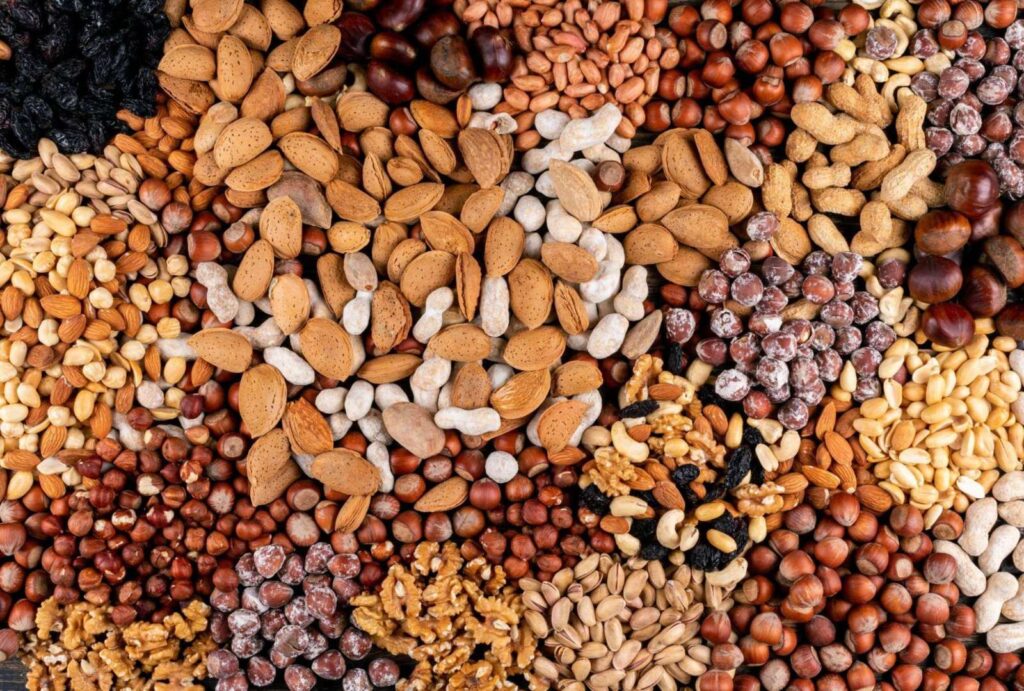
Pick up two bags of almonds or apricots that look almost identical on the shelf, taste them, and you may be surprised. One is crisp, sweet, and fragrant. The other is flat, chewy, or slightly bitter. Same product, very different experience. The difference rarely happens at the store. It is built, step by step, long before the pack reaches your pantry.
Table Of Content
- 1. It Starts in the Orchard: Variety, Soil, and Climate
- 2. Harvest Timing and Handling
- 3. Drying: Where Quality Is Won or Lost
- 4. Cleaning, Sorting, and Grading
- 5. Safety Testing and Standards
- 6. Storage and Packaging: Protecting What You Paid For
- 7. Transport and the Retail Shelf
- How to Judge Quality as a Buyer
- Conclusion
From the orchard to the dryer, from the warehouse to the delivery van, every stage leaves a mark on flavor, texture, and freshness. If you enjoy snacking on dry nuts or dried fruit, understanding that journey helps you choose better and store smarter. Here is what really determines quality, from farm to shelf.
1. It Starts in the Orchard: Variety, Soil, and Climate
Quality begins with the plant itself. Different varieties of almonds, dates, figs, or apricots have different sizes, sweetness levels, and textures. Soil health, water supply, and climate shape how fruit and nuts develop. Well-managed orchards with balanced irrigation and careful nutrition tend to produce more uniform, flavorful crops. Weather matters too. Heat waves, frost, or irregular rainfall can affect size, sugar content, and defect rates, which is why quality can vary slightly from season to season.
2. Harvest Timing and Handling
Even the best crop can be ruined by a poorly timed harvest. Fruit picked too early may lack sweetness; harvested too late, it may be overripe, damaged, or prone to spoilage. For nuts, the right moisture and maturity at harvest influence shelling quality, flavor, and shelf life. Gentle handling is equally important. Bruised, cracked, or contaminated produce deteriorates faster. Prompt transport from field to processing shortens the time for quality to decline.
3. Drying: Where Quality Is Won or Lost
Drying is the heart of the process. Removing moisture preserves food by limiting the growth of mold and bacteria, but how it is done affects the final product.
- Sun drying is traditional and widely used, but it depends on weather and requires protection from dust, insects, and contamination.
- Mechanical drying uses controlled temperature and airflow for more consistent results and better food safety control.
Drying requires careful moisture control to preserve quality, flavor, and shelf life. Nuts need very low moisture, while soft fruits such as dates and figs require more. Some dried fruits may use sulfur dioxide to maintain color. Unsulfured varieties are darker, so clear labeling helps buyers make informed choices.
4. Cleaning, Sorting, and Grading
After drying, produce is cleaned and sorted to remove stones, shells, stems, and foreign matter. Modern facilities often use mechanical and optical sorters to remove discolored or damaged pieces. Grading then separates products by size, color, and appearance. Consistency here is a good sign of quality. Evenly sized pieces, uniform color, and few broken or damaged items usually indicate careful processing.
5. Safety Testing and Standards
Quality is also about safety. Nuts and some dried fruits can be affected by molds that produce natural toxins if they are not dried and stored properly, so responsible suppliers test for contaminants, pesticide residues, and microbiological safety. Recognized food safety systems, traceability records, and batch coding help ensure products can be tracked and verified from origin to shelf.
6. Storage and Packaging: Protecting What You Paid For
Once processed, the product's biggest enemies are heat, light, oxygen, and humidity. Dry nuts are rich in natural oils, which turn rancid when exposed to warmth and air, leading to bitter or stale flavors. Dried fruits absorb moisture, becoming sticky or moldy. Good storage protects against this. Cool, dry, well-ventilated warehouses are essential, and many producers use barrier packaging, such as sealed pouches or vacuum and nitrogen-flushed packs, to reduce oxygen exposure. Resealable packs help keep freshness after opening.
7. Transport and the Retail Shelf
Products still have a journey to make. In hot climates like the UAE, vehicles and warehouses can reach high temperatures that speed up quality loss. Reliable suppliers manage stock rotation, avoid long storage periods, and handle deliveries carefully to protect freshness. At the retail or online store, packing dates, clear labeling, and sensible turnover matter as much as the product itself.
How to Judge Quality as a Buyer
You do not need a laboratory to judge the quality of nuts and dried fruits. A few simple checks can help you make a more informed choice:
- Smell: Look for a fresh, natural aroma. Avoid products with sharp, sour, chemical, or paint-like smells.
- Appearance: Choose pieces with a natural, even color and size, without dark spots, unusual discoloration, or visible mold.
- Texture: Nuts should feel crisp, while dried fruits should be soft and pleasant, not excessively sticky, hard, or dry.
- Taste: The flavor should be clean and balanced, without bitterness, rancid notes, or signs of staleness.
- Packaging: Check that packaging is sealed, intact, and clearly marked with relevant dates.
- Source: Prefer products with transparent information about their origin, processing, storage, and handling.
Conclusion
Dried fruit and nut quality is the sum of many careful decisions: good growing conditions, correct harvest timing, controlled drying, thorough sorting, safe testing, protective packaging, and responsible transport. Weakness at any stage shows up in the final bite. When you shop for dry fruits in UAE households and gift-givers, look for transparent sourcing, fresh packing dates, and sealed, quality packaging, and store your purchases in cool, dry conditions to keep them at their best.
Smiling Coast is a UAE-based supplier of premium nuts, dried fruits, spices, and more. They focus on freshness, careful packing, and sourcing quality products that withstand the region's heat and humidity, with convenient home delivery that brings wholesome snacking straight to customers' doors.