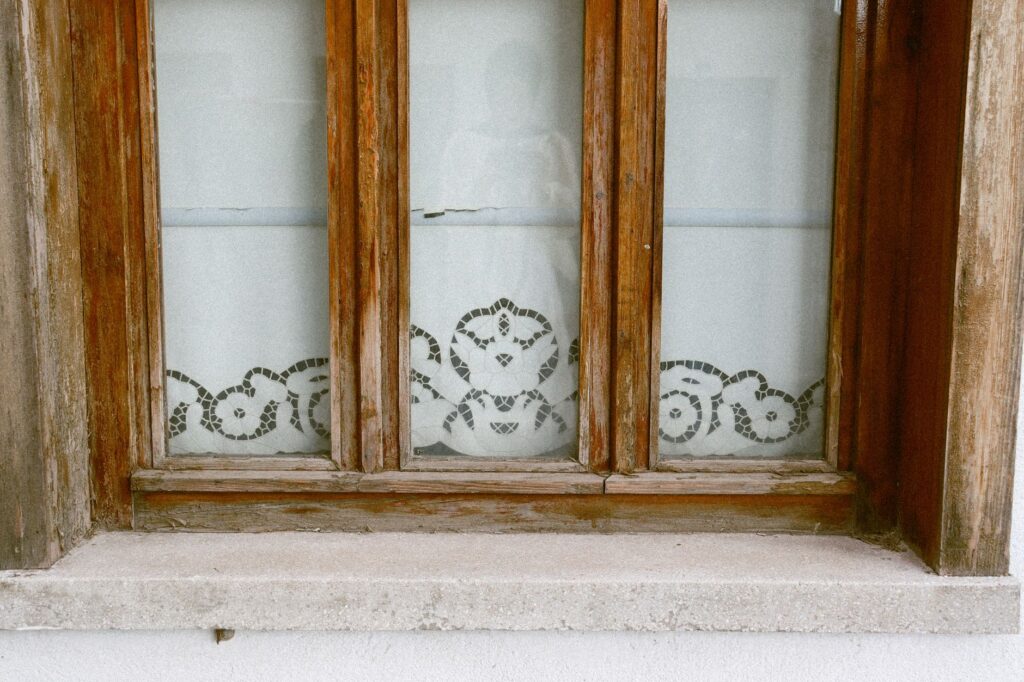
Venice is usually approached through what has survived: palaces, paintings, churches and bridges. Yet another form of heritage is less immediately visible. It survives in gestures repeated at workbenches, beside furnaces and inside small workshops. Across Venice and its islands, artisans still shape glass, stitch lace, build boats, carve wooden oarlocks and work with fabrics, paper and other materials. These traditions are not separate from the history of the lagoon. They developed because Venice needed specialised skills to live, trade and create in an unusual environment. Looking for craftsmanship therefore offers a different route through the city, one based not on monuments alone, but on knowledge that continues to pass from one pair of hands to another.
Table Of Content
- Why has craftsmanship always been central to Venetian life?
- What makes Murano glass a Venetian tradition rather than simply a souvenir?
- Why is Burano lace considered such a demanding craft?
- Where can travellers discover traditional workshops in Venice?
- How does gondola building preserve another side of Venetian craftsmanship?
- Which Venetian crafts are easy to overlook?
- What should visitors look for when buying Venetian crafts?
- Can ancient Venetian crafts still be contemporary?
- Why does craftsmanship offer a different way to understand Venice?
Why has craftsmanship always been central to Venetian life?
Venice grew through trade, but commerce alone does not explain its creative traditions. Goods arriving from distant ports brought materials, techniques and aesthetic influences that local craftspeople could adapt to Venetian tastes.
At the same time, the city created its own practical needs. Its boats required specialist builders. Its wealthy institutions commissioned textiles, glass, furnishings and decoration. Its international connections created markets for luxury objects made in the lagoon.
This combination helped establish highly specialised professions. Craft in Venice became both an economic activity and a form of cultural identity, connecting everyday work with the wider ambitions of the Republic.
What makes Murano glass a Venetian tradition rather than simply a souvenir?
Murano glass is instantly associated with Venice, but its importance lies in the depth of the skills behind the finished object. Glassmaking requires close control of heat, timing and movement. A piece must often be shaped quickly while the material remains workable.
Over centuries, Murano developed a remarkable range of techniques and products, from mirrors and beads to chandeliers, vessels and decorative glass. The Murano Glass Museum today preserves examples that trace this long history, including works from different periods of the island’s production.
The tradition also continues to evolve. Contemporary makers use inherited techniques without necessarily reproducing historical styles. This ability to combine technical continuity with new design is one reason Murano glass remains a living craft rather than a museum practice.
Why is Burano lace considered such a demanding craft?
Burano offers a very different expression of Venetian skill. Here the material is light and delicate, but the labour behind it can be extremely slow.
Traditional Burano lace is associated particularly with needlework. Complex patterns emerge through repeated, precise work with thread rather than through mechanical production. The island’s Lace Museum documents centuries of Venetian lace-making and occupies the building that housed the Burano Lace School from 1872 until 1970.
This history helps explain why authentic lace cannot be judged only by appearance. Time is part of the object. The value lies in the hours of skilled work that remain almost invisible once the piece is complete.
Where can travellers discover traditional workshops in Venice?
Murano and Burano are natural destinations for anyone interested in craftsmanship, but the search should not stop with the lagoon islands. Venice itself still contains workshops connected with glass beads, textiles, printing, leather, jewellery and other specialist trades.
They are often easier to notice away from the busiest route between Rialto and Piazza San Marco. Cannaregio, Dorsoduro and Castello encourage slower exploration, where working spaces can appear among houses and small shops.
For travellers based at Ca’ di Dio Venice, Castello provides a particularly appropriate starting point. From here, exploring towards the Arsenale and through quieter streets reveals a Venice whose identity has always been closely connected with making, repairing and building.
How does gondola building preserve another side of Venetian craftsmanship?
A gondola may appear effortless as it moves through a canal, but its existence depends on specialist knowledge. Traditional Venetian boats were developed for a city where water determines movement, and their construction reflects that environment.
The squero is the traditional Venetian boatyard. One of the best-known surviving examples is the Squero di San Trovaso in Dorsoduro, a seventeenth-century working boatyard now particularly associated with building and repairing gondolas.
Boatbuilding is only part of the story. Specialist woodworkers also make oars and forcole, the sculptural wooden supports against which the oar works. Their unusual shapes are functional, responding to different rowing positions and movements.
Which Venetian crafts are easy to overlook?
Glass and lace have international reputations, but Venice has never depended on only two forms of craftsmanship. Historic skills also developed around fabrics, beads, printing, bookbinding, metal and wood.
Textiles are particularly important to the story of a trading city that once had access to precious fibres, dyes and patterns from across commercial networks. Traditional weaving survives alongside contemporary design, while glass-bead production represents a more intimate branch of Venice’s better-known glass culture. Venetian glass beads were included by UNESCO within the intangible cultural heritage of glass-bead art in 2020.
These less obvious traditions broaden the picture. Venetian craftsmanship was never a single style; it was a network of specialised skills serving different parts of city life.
What should visitors look for when buying Venetian crafts?
The popularity of Venetian design has produced an obvious problem: objects that resemble local crafts can be manufactured elsewhere and sold without any meaningful connection to the lagoon.
A useful first question is simply where an item was made. A genuine workshop should be able to explain its materials and process. Imperfections and small variations may also be signs of hand production rather than flaws.
Watching an artisan at work provides even more context. The transformation of raw material into a finished object makes clear why handmade glass, lace or carved wood cannot be compared directly with industrial copies.
Buying thoughtfully is therefore part of experiencing the craft itself. It recognises that traditional knowledge survives only when skilled work continues to have economic value.
Can ancient Venetian crafts still be contemporary?
Tradition does not require artisans to repeat the past indefinitely. In fact, crafts often survive because makers find new uses for old skills.
A glass artist may work with modern forms. A textile maker can use historic techniques for contemporary interiors. Jewellery designers can reinterpret Venetian beads without copying centuries-old models. What remains constant is the understanding of material and process.
This distinction matters in a city frequently presented as if its greatest creative period were already over. Venice is not only conserving objects made by previous generations. Its artisans continue to produce new ones.
Why does craftsmanship offer a different way to understand Venice?
A journey through Venetian crafts gradually connects places that may initially seem separate. Murano becomes more than an island excursion when its furnaces are understood through the history of glass. Burano’s lace reveals the patience behind an apparently fragile object. A squero explains why woodworking remains relevant in a city without ordinary streets.
Together, these traditions reveal a practical Venice beneath the monumental one. Its beauty was never created by architecture and painting alone. It also depended on people capable of understanding fire, thread, timber, fabric and water.
That knowledge remains one of the lagoon’s most valuable forms of heritage. It cannot simply be placed behind glass and preserved unchanged. It survives only when someone continues to practise it, adapt it and eventually teach it to another pair of hands.