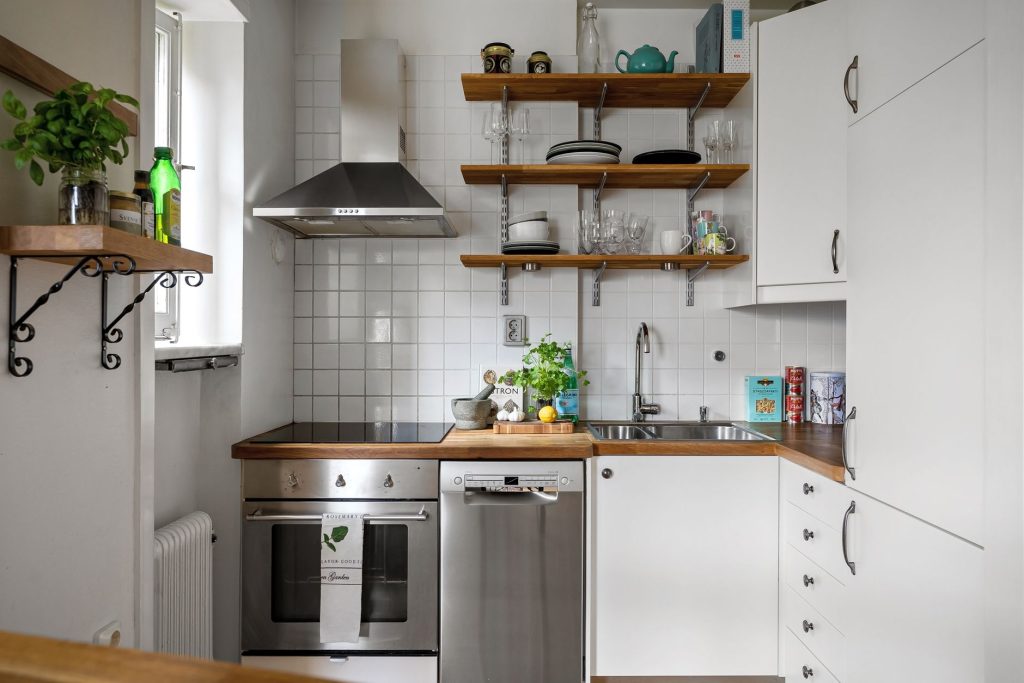
Small apartments often come with compact kitchens where every inch matters. Limited counter space, crowded cabinets and difficult-to-reach shelves can make everyday cooking less convenient. The solution is not necessarily a bigger kitchen but a smarter approach to storage. With thoughtful planning, even a small kitchen can accommodate cookware, groceries, appliances and daily essentials without feeling cluttered.
Table Of Content
- 1. Make Better Use of Vertical Space
- 2. Install Pull-Out Drawers and Organisers
- 3. Use Corner Cabinets Efficiently
- 4. Add Storage Inside Cabinet Doors
- 5. Choose Multi-Functional Furniture
- 6. Create a Dedicated Pantry System
- 7. Use Wall Rails and Magnetic Holders
- 8. Plan Cabinets Around Your Daily Routine
- Conclusion
A practical kitchen cabinet design can improve accessibility while making the available space more useful. From vertical storage to pull-out organisers, simple changes can help homeowners create an organised cooking area without sacrificing style. Here are eight smart storage ideas worth considering for small apartments.
1. Make Better Use of Vertical Space
When floor space is limited, look upwards. Tall cabinets that extend towards the ceiling provide additional storage for items used occasionally, such as festive serveware, large cooking pots and extra kitchen supplies.
Open shelves can also accommodate frequently used cups, jars and lightweight containers. However, avoid overcrowding them, as too many exposed items can make a compact kitchen look untidy.
Store everyday essentials at eye level and reserve higher shelves for less frequently used belongings. A small step stool can help make upper cabinets accessible. This approach maximises available wall space without requiring additional floor area.
2. Install Pull-Out Drawers and Organisers
Deep cabinets often become difficult to manage because items at the back are easily forgotten. Pull-out drawers solve this problem by bringing stored products within reach.
These drawers work well for pots, pans, plates, cleaning supplies and packaged groceries. Separate compartments can prevent utensils from becoming mixed together, while adjustable dividers allow the storage arrangement to change as household needs evolve.
Before installing pull-outs, check the cabinet dimensions, weight capacity and clearance required for opening them. Choosing durable hardware is particularly important for drawers that will be used several times a day.
3. Use Corner Cabinets Efficiently
Kitchen corners can become wasted spaces when conventional shelves make stored items difficult to access. Specialised corner units help homeowners use these areas more effectively.
Rotating shelves, commonly called lazy Susans, allow spices, jars and smaller containers to be reached without removing everything in front. Pull-out corner mechanisms can provide easier access to heavier cookware, depending on the cabinet layout.
The right solution depends on the kitchen’s dimensions and the position of appliances. Measure the available space before selecting a mechanism, and ensure that doors and drawers can open without obstruction.
4. Add Storage Inside Cabinet Doors
The inside of a cabinet door offers useful space that is often overlooked. Small racks, hooks and holders can accommodate lightweight kitchen essentials without taking up an entire shelf.
For example, a door-mounted organiser can hold measuring spoons, pot lids, kitchen wraps or small cleaning accessories. Hooks may also provide a convenient place for oven mitts or frequently used utensils.
Check the weight limits and ensure that the attached organiser does not interfere with shelves or hinges. Avoid storing heavy objects on unsuitable doors, as excessive weight may affect their alignment over time.
5. Choose Multi-Functional Furniture
In a small apartment, furniture that serves more than one purpose can help reduce clutter. A compact kitchen island or movable trolley may provide extra workspace along with shelves, drawers or baskets.
A narrow trolley can hold commonly used ingredients, small appliances or serving supplies. When additional floor space is needed, a wheeled unit can be moved aside, provided the layout allows safe movement.
Foldable tables and wall-mounted drop-leaf counters can also create temporary preparation or dining areas. Choose furniture according to the kitchen’s dimensions and ensure it does not block entrances, appliance doors or essential walking routes.
6. Create a Dedicated Pantry System
Unorganised grocery packets and containers can quickly fill limited cabinet space. A dedicated pantry system helps group ingredients and makes it easier to identify what needs replenishing.
Use clear, airtight containers for suitable dry ingredients such as lentils, rice, flour and cereals. Label containers with their contents and, where useful, purchase or expiry dates. Keep frequently used ingredients at the front and heavier containers on lower shelves.
Stackable containers can make better use of shelf height, while narrow pull-out pantry units may fit into unused gaps beside cabinets or appliances. Keep food away from heat and moisture, and follow appropriate storage instructions to maintain freshness.
7. Use Wall Rails and Magnetic Holders
Walls can provide additional storage without requiring more cabinets. A wall rail fitted with hooks can hold lightweight utensils, ladles and other frequently used tools.
Magnetic knife holders can free up drawer space when installed securely and kept away from children’s reach. Small wall-mounted racks can also hold spice containers or paper towels, depending on the available space.
Place these accessories close to the areas where they are used, but keep them away from direct heat and splashing water. Avoid overcrowding the wall, as too many hanging items can make the kitchen feel visually busy.
8. Plan Cabinets Around Your Daily Routine
The most effective storage system reflects how the household actually uses the kitchen. Instead of assigning cabinets randomly, group items according to their purpose and frequency of use.
Keep cooking oils, spices and utensils near the cooking zone. Store plates and glasses close to the dining area, and place cleaning supplies near the sink in a suitable, separate space. Heavy cookware should be stored at a comfortable height to reduce lifting difficulties.
A well-planned kitchen cabinet design should also account for appliance dimensions, plumbing, ventilation and easy movement between work areas. Before purchasing cabinets, measure the kitchen carefully and consider which items need to remain accessible every day.
Conclusion
Smart storage can make a small apartment kitchen more functional without requiring a major renovation. Vertical cabinets, pull-out drawers, corner organisers, wall rails and dedicated pantry systems help reduce clutter and improve accessibility. The best solution depends on available space, cooking habits and budget, so planning should begin with practical household needs rather than appearance alone.
For homeowners researching modular kitchen designers in Bangalore, WeDezine Studio is an interior design company based in Bengaluru that offers modular kitchen planning and broader residential interior design services. Its website describes customised kitchen layouts, storage solutions and design visualisation as part of its work. Homeowners can review its services and project information on the official WeDezine Studio website when considering options for their kitchens.