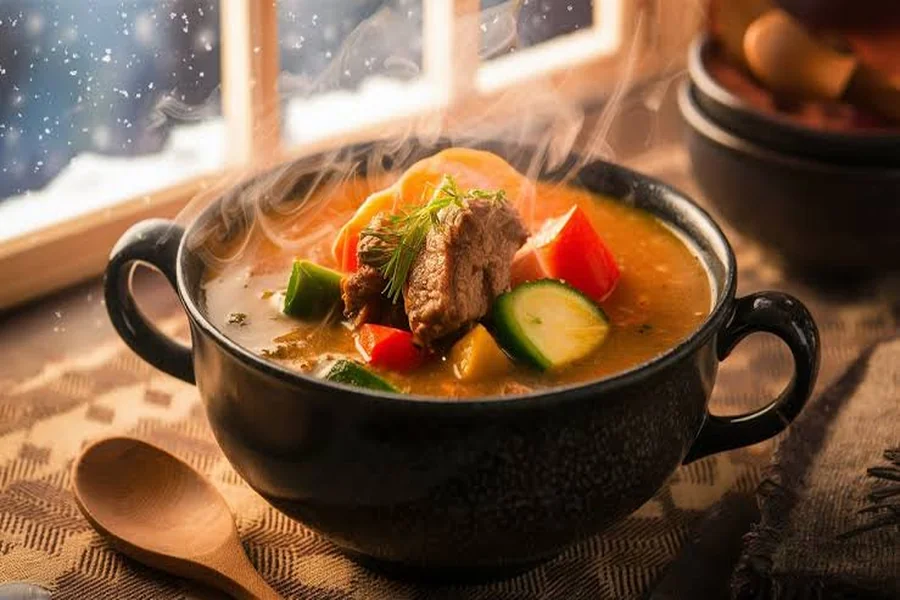
Flavor preferences shift with the seasons because temperature changes how taste and smell work, heat and cold change what the body needs, and culture ties certain flavors to certain months. Warm spice and rich sweetness rise in winter, sour and cooling profiles rise in summer, and a handful of flavors stay flat all year.
Table Of Content
- Why Do Our Flavor Preferences Change With the Seasons?
- What Makes a Flavor Warming or Cooling?
- How Does Flavor Demand Change by Month?
- Which Flavors Stay Popular All Year?
- What Should You Know When Buying Ahead of a Season?
- Frequently Asked Questions
- Why does food taste sweeter when it is warm?
- Why do people crave spice in winter?
- Which flavors are most popular in summer?
- Do seasonal flavor trends apply everywhere?
Why Do Our Flavor Preferences Change With the Seasons?
Part of the answer sits in the mouth. A 2005 study in Nature by Karel Talavera and colleagues showed that TRPM5, a channel involved in sweet, bitter, and umami taste, becomes more responsive as temperature rises between roughly 15°C and 35°C. Warm food reads as sweeter than the same food served cold, which is why melted ice cream tastes cloying, and a cold soda needs extra sugar to taste balanced.
Smell changes with temperature too. Aroma compounds evaporate more slowly in the cold, so chilled food and drink release less scent, and dry winter air can blunt the nose further. That pushes winter preferences toward strong, warm aromas such as cinnamon, clove and roasted notes, which carry well, and pushes summer preferences toward sharp, clean flavors that still register when served ice cold.
Thermal comfort and hydration add a third layer. In hot weather, the body loses water and salt, and people reach for sour, juicy, and lightly salty flavors that read as thirst-quenching. In cold weather, heavier and sweeter food becomes more appealing, and researchers studying seasonal affective disorder have documented stronger winter cravings for carbohydrates since the 1980s.
The result is a seasonal rhythm that whole industries plan around. Coffee chains, ice cream makers, confectioners, sparkling water brands and sellers of premium flavored vape juice options all adjust which flavors they push to the front as the weather turns, because demand moves with the calendar whether they plan for it or not.
What Makes a Flavor Warming or Cooling?
Flavor developers sort most profiles into warming and cooling families. The split does not depend on serving temperature alone: some compounds act on the same nerve receptors that sense heat and cold, while others simply carry strong associations with one season. The table below shows how the two families break down.
| Family | Typical flavors | What puts them there | Peak season |
| Warming spice | Cinnamon, ginger, clove, nutmeg, chai | Compounds such as cinnamaldehyde and gingerol act on heat-sensing receptors | Late autumn and winter |
| Rich and roasted | Caramel, toffee, coffee, chocolate, maple | Browning reactions and strong aromas that survive heat | Autumn and winter |
| Cooling | Mint, menthol, eucalyptus, cucumber | Menthol and similar compounds act on the cold receptor TRPM8 | Summer, plus mint at the winter holidays |
| Sour and fresh | Lemon, lime, watermelon, berries, passion fruit | Acidity and high water content signal refreshment | Late spring and summer |
Mint is the odd one out. It appears in both seasonal peaks, as a cooling flavor in summer and as peppermint in December, which makes it one of the few flavors with two high points in a single year.
How Does Flavor Demand Change by Month?
Public data from drinks and confectionery gives a clear picture of the yearly cycle. Google search interest for “pumpkin spice” climbs every August and peaks around October, and Starbucks, which launched its Pumpkin Spice Latte in 2003, has moved the drink’s release earlier over time, into late August in recent years. In the US, July has been National Ice Cream Month since President Reagan declared it in 1984, which reflects the month when ice cream demand already ran highest.
The broad monthly pattern looks like this across food and drink:
- January and February: citrus, as winter oranges and grapefruit hit peak supply, alongside lingering chocolate demand around Valentine’s Day
- March to May: lighter fruit, floral notes and early berries, with strawberry rising toward late spring
- June to August: watermelon, lime, mint, tropical fruit and anything that tastes good ice cold
- September to November: apple, pumpkin spice, caramel and maple, with spice rising as temperatures fall
- December: peppermint, gingerbread, cinnamon and chocolate, driven as much by holiday tradition as by weather
The cycle is strongest in places with distinct seasons. In tropical climates, where temperature changes little through the year, flavor demand follows holidays and harvests far more than weather.
Which Flavors Stay Popular All Year?
A handful of flavors barely move with the seasons. Vanilla and chocolate have topped ice cream flavor surveys for decades in every month of the year, and plain coffee sells steadily in winter and summer alike, with only the serving temperature changing. Classic fruit profiles such as strawberry and mixed berry hold up well across the calendar, and so does simple sweetness.
These flavors share three traits. They are familiar from childhood in most markets, they work at almost any serving temperature, and they lack a strong link to any single holiday. Pumpkin spice and peppermint are the opposite case: tied so tightly to one season that they sell poorly outside it, which is part of what makes them effective as limited releases.
What Should You Know When Buying Ahead of a Season?
Seasonal demand runs ahead of the weather. Retailers stock autumn flavors in late summer and summer flavors in spring, so the widest choice arrives before the season starts and thins out as it peaks. Buyers who wait for the first cold week often find the most popular seasonal flavors already sold out.
The reverse applies after a season ends. Retailers clear seasonal stock quickly once demand drops, so January and early September are the usual months for discounts on holiday and summer flavors.
Frequently Asked Questions
Why does food taste sweeter when it is warm?
Taste receptor activity rises with temperature. Research published in Nature in 2005 found that TRPM5, a channel used in sweet taste, responds more strongly as food warms.
Why do people crave spice in winter?
Warm spices carry strong aromas that survive in cold air, and compounds such as cinnamaldehyde act on heat receptors, which matches what people want in cold weather.
Which flavors are most popular in summer?
Watermelon, lime, lemon, mint, and tropical fruit lead most summer menus because they read as fresh and still taste good served ice cold.
Do seasonal flavor trends apply everywhere?
No. They are strongest where seasons are distinct. In tropical regions, holidays and local harvests shape demand more than temperature does.